Table of Contents
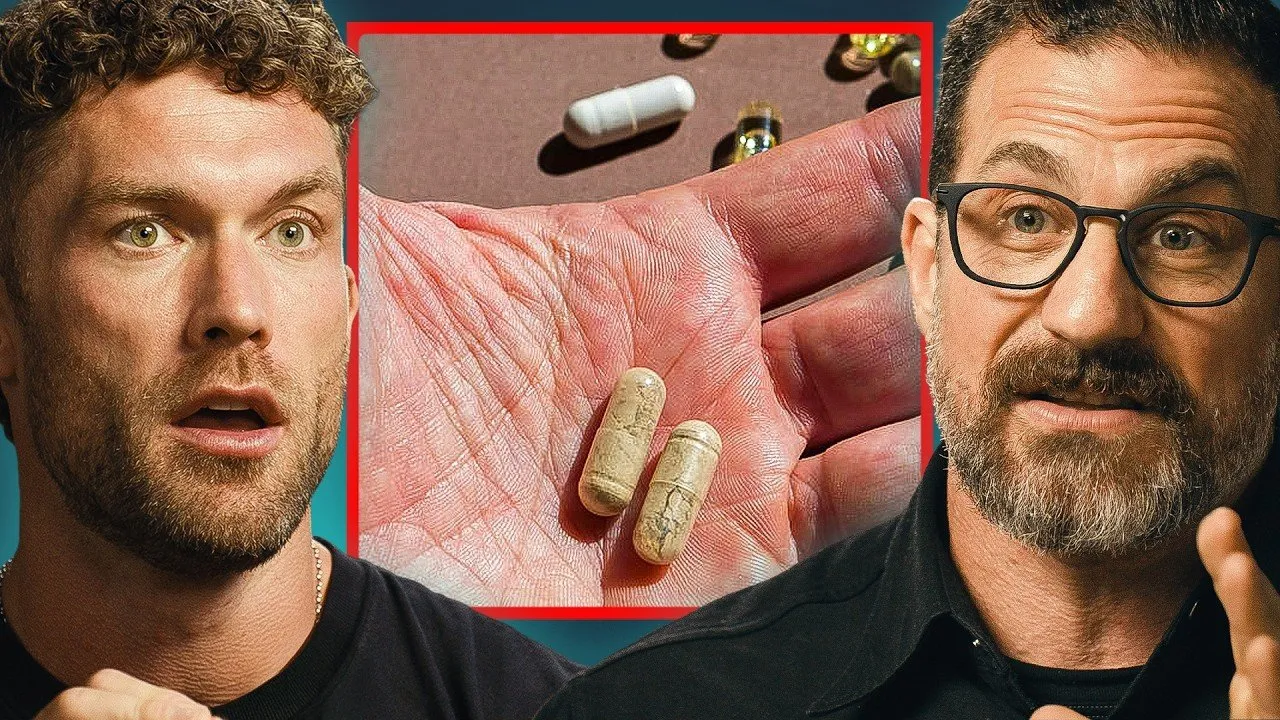
Public acceptance of health protocols and supplements rarely happens overnight. Instead, it follows a predictable trajectory: initial skepticism, a surge of excitement, a period of scrutiny, and finally, stabilized acceptance based on utility. While staples like Vitamin D3 and protein have already completed this cycle, the health optimization landscape is constantly shifting. In a recent discussion, neuroscientist Andrew Huberman and podcaster Chris Williamson analyzed the current state of the wellness industry, identifying which compounds are entering the mainstream and which behaviors are being scientifically re-evaluated.
From the rise of magnesium for cognitive preservation to the definitive data on alcohol consumption, the conversation highlights a crucial evolution in how we approach biohacking. It is no longer enough to simply follow a protocol; the modern approach requires understanding the biological mechanisms "under the hood" to ensure long-term adherence and flexibility.
Key Takeaways
- Magnesium is the next major trend: Specifically bisglycinate and threonate forms, due to their ability to cross the blood-brain barrier and protect against hearing loss and cognitive decline.
- Creatine has gone mainstream: Once reserved for bodybuilders, creatine is now widely accepted for women’s health and cognitive function, moving beyond the "gym bro" stigma.
- The alcohol debate is settled: New meta-analyses from Stanford and The Lancet confirm that there is no health benefit to moderate drinking; zero consumption is optimal.
- Mechanism drives adherence: Understanding the specific biological reasons why a protocol works (like lateral eye movement reducing anxiety) creates necessary psychological "buy-in."
- True expertise is principled: Real mastery involves understanding the "principles beneath the principles," allowing experts to connect concepts across different fields.
The Lifecycle of Supplement Trends
The journey of a supplement from niche biohack to household staple is cyclical. Vitamin D3, for example, has fully matured; its benefits are widely accepted, and the public discourse has moved on. Protein has largely followed suit, though it occasionally faces politicization regarding meat consumption. Currently, creatine is in the midst of this transition.
The Rebranding of Creatine
Historically associated with 1990s bodybuilding culture and water retention, creatine is currently experiencing a renaissance, particularly in women's health. Influential figures like Dr. Rhonda Patrick have championed its benefits for cognitive function and physical resilience, helping to shed its "meathead" reputation.
The market has responded by moving away from chalky powders toward more accessible formats, such as flavored gummies. While purists may stick to raw powder to avoid additives, the democratization of creatine signals a shift in public perception: it is no longer seen merely as a muscle-building tool, but as a foundational compound for general health.
The Next Frontier: Magnesium Optimization
If Vitamin D is "done" and creatine is "current," Andrew Huberman predicts that magnesium is the next frontier for widespread public adoption. While many people are aware of magnesium for sleep or muscle soreness (often using citrate or malate forms), the conversation is shifting toward forms that specifically target the nervous system.
Cognitive and Auditory Protection
The focus is narrowing on magnesium threonate and magnesium bisglycinate. These specific formulations are notable for their ability to cross the blood-brain barrier more readily than standard store-bought varieties. However, the benefits extend beyond simple relaxation or sleep aid.
Huberman highlights fascinating insights from the Chair of Otolaryngology at Stanford regarding the connection between magnesium and hearing preservation. The mechanism involves the inner ear's hair cells and the fluid surrounding them, known as endolymph.
"The endolymph in which the hair cells that vibrate in response to sound... is like a thick viscous fluid. Magnesium is a prominent feature of that endolymph and it gets depleted by very loud sound. Encouraging more magnesium in the endolymph is protective against hair cell loss."
Because hearing loss is strongly correlated with dementia due to the brain receiving less sensory input, maintaining auditory health is a downstream strategy for preserving cognitive function. As soil depletion reduces the mineral content of modern vegetables like kale, supplementation is becoming increasingly relevant for these neuroprotective effects.
Revisiting the Data on Alcohol
While some supplements are gaining favor, certain social behaviors are facing rigorous scientific elimination. For years, the narrative persisted that moderate alcohol consumption—specifically one or two glasses of red wine—might offer cardiovascular or longevity benefits. That era of ambiguity has effectively ended.
Recent large-scale analyses, including work by Dr. Keith Humphreys at Stanford and studies published in The Lancet, have corrected the flaws in previous research. Older studies often compared "moderate drinkers" to "non-drinkers," but failed to account for the fact that the non-drinking group frequently included people who had quit due to severe illness. This skewed the data, making moderate drinkers appear healthier by comparison.
When properly controlled, the data reveals a stark reality: alcohol is a neurotoxin and a carcinogen. It elevates cancer risk, disrupts the gut microbiome, and fragments sleep architecture. While individuals may still choose to drink for social enjoyment, the health argument is closed—zero is physiologically better than any.
The Power of Mechanism and "Buy-In"
One of the most significant themes in modern health education is the shift from prescriptive advice ("do this") to mechanistic education ("here is how this works"). Understanding the underlying biology of a protocol is not just intellectual vanity; it is a critical component of adherence.
Huberman argues that when people understand why a behavior works, they are more likely to stick with it and adapt it when circumstances change. A prime example is the morning walk. It is known that forward locomotion combined with lateral eye movement (optic flow) down-regulates activity in the amygdala, reducing anxiety.
"If you understand a bit of what's likely happening under the hood, it affords you tremendous flexibility... The protocols start to bridge together what to do in case A, B, C, or D because you understand the principle below it."
Knowing the mechanism transforms a routine into a tool. If you understand the negative feedback loop of cortisol, you know that sluggishness in the morning might be solved by sunlight rather than just caffeine. This knowledge helps distinct protocols coalesce into a flexible, resilient lifestyle strategy.
Redefining Expertise
The democratization of information has also changed how we view authority. Credentials remain important, but they are no longer the sole indicator of competence. True expertise is increasingly defined by the ability to understand "the principles beneath the principles."
This concept, championed by heavyweights like Josh Waitzkin (author of The Art of Learning), suggests that deep proficiency allows an individual to see connections between seemingly unrelated fields. It explains why a specialized physician might miss a systemic issue that a generalist practitioner catches, or why an "uncredentialed" expert like Derek from More Plates More Dates can hold his own in conversations with top-tier medical professionals.
In this new landscape, the most valuable experts are those who are also practitioners—those who test principles in the real world and understand the interconnectedness of biological systems, rather than viewing the body through a single, siloed lens.
Conclusion
The health and wellness landscape is moving away from blind faith in trends and toward a principled understanding of human biology. Whether it is adopting magnesium for neuroprotection, acknowledging the hard truths about alcohol, or demanding to know the mechanism behind a new protocol, the modern approach to health is active and intellectual.
By understanding the core principles that govern our physiology, we gain the autonomy to navigate passing fads and build a health strategy that is robust, flexible, and evidence-based.