Table of Contents
The escalating conflict between the United States, Israel, and Iran has rapidly evolved from a series of targeted operations into a complex, multi-layered struggle for regional dominance. As the confrontation enters its third week, the initial expectations of a swift “decapitation” strategy—aimed at forcing regime change or a more conciliatory leadership—have collided with the reality of an Iranian state that has prepared for a long-term war of attrition. Understanding the current trajectory requires looking beyond tactical military movements and examining the clashing strategic objectives of the primary actors involved.
Key Takeaways
- Misaligned Strategic Goals: While the U.S. initially sought a limited campaign to incentivize regime transformation, Israel appears focused on a more comprehensive, long-term degradation of Iranian power, potentially aiming for state collapse or prolonged regional chaos.
- Iranian Resilience and Escalation: Iranian leadership has transitioned into a defensive posture, prioritizing regime survival and the expansion of the conflict to the Bab al-Mandab Strait to increase global economic costs and deter future incursions.
- The Erosion of Traditional Power Structures: The systematic targeting of senior political and military officials has left a vacuum in the Islamic Republic’s command structure, potentially shifting power from diplomatic pragmatists to hardline military elites.
- The Nuclear Paradox: The current campaign may be counterproductive, as the loss of conventional deterrence provides the remaining Iranian leadership with a stronger incentive to accelerate nuclear weaponization for existential survival.
The Shift from Targeted Strikes to War of Attrition
Early military projections, particularly those attributed to the Trump administration, anticipated that concentrated force would either topple the existing Iranian government or force it to capitulate on critical issues like its nuclear program. However, these outcomes failed to materialize. Instead, the conflict has settled into a war of attrition, a scenario for which Iranian strategic planners had been preparing since the twelve-day war in June.
Operational Evolution
Iran has demonstrated a clear, staged approach to managing this conflict. Following initial strikes on U.S. and regional energy infrastructure, the scope has expanded to include threats to critical maritime chokepoints. By integrating regional proxies like the Houthis into the conflict, Tehran is actively attempting to "globalize" the war. This strategy serves a dual purpose: it pressures the global economy to force a ceasefire and challenges the assumption that regional powers can act against Iran without facing catastrophic, sustained consequences.
Conflicting Agendas: Washington versus Jerusalem
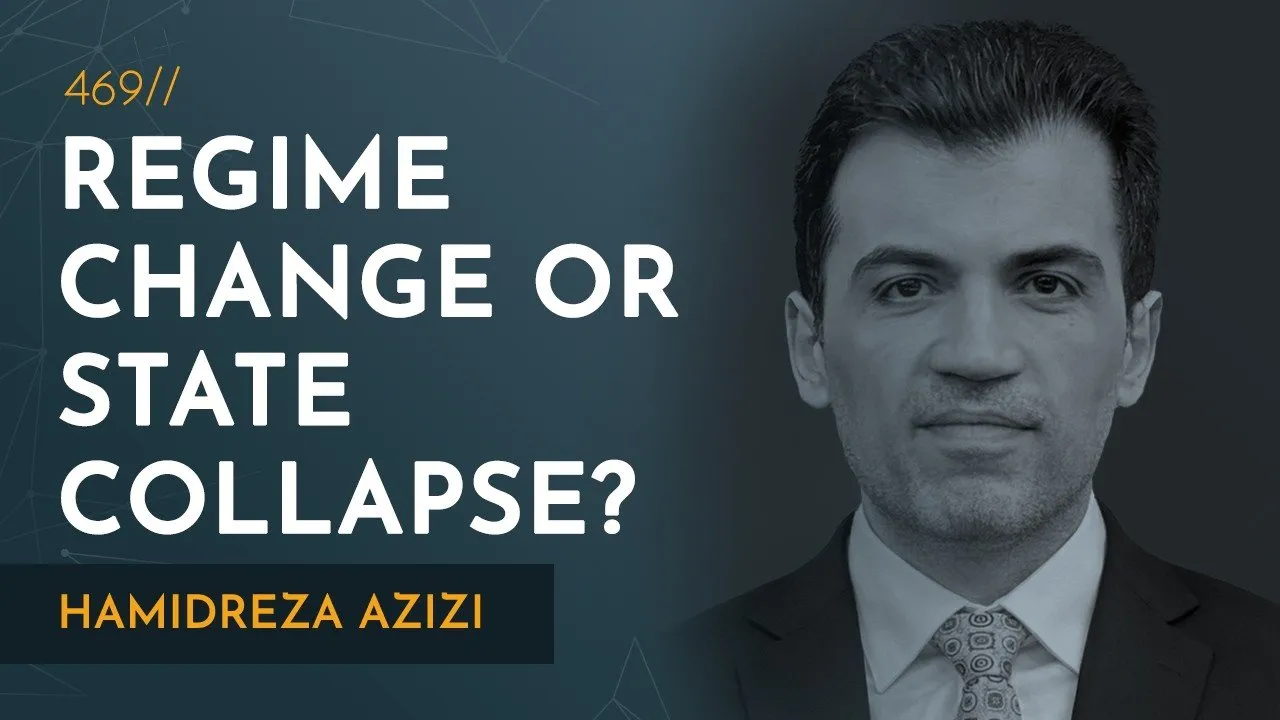
"This war was very much based on an opportunity assessment, not a threat assessment, by Israel." — Hamidreza Azizi
While the U.S. and Israel are operating in parallel, their endgame objectives appear to diverge significantly. For the White House, the focus remains on long-term regional stability, containing Chinese influence, and securing energy markets. Israel, conversely, views the current chaos as a strategic opening to neutralize the "head of the snake"—the Islamic Republic itself—by systematically dismantling its regional arms and, if necessary, fostering an environment of state collapse that would preclude Iran from being a security threat for decades.
The Decapitation Campaign and Leadership Vacuum
The targeted elimination of key figures like Ali Larijani—a rare bridge between the political and military wings of the Iranian system—signals a dangerous shift in the conflict’s dynamics. The removal of experienced negotiators and diplomats effectively leaves the remaining leadership in the hands of the Islamic Revolutionary Guard Corps (IRGC) and other hardline military figures.
Consequences for Future Negotiations
With traditional diplomatic channels severed by the physical elimination of their architects, the possibility of a negotiated settlement has dimmed. Military leaders, who are doctrinally equipped to fight rather than bargain, now dominate the decision-making process. This consolidation could lead to a permanent "garrison state" in Iran, where internal power struggles further complicate any path to a lasting peace.
The Cultural and National Toll
Beyond the geopolitical implications, the war is exacting a profound cost on the identity of the Iranian people. The destruction or damage of historic sites—including UNESCO World Heritage landmarks—has intensified a sense of "traumatized nationalism." For many Iranians, these attacks are not merely military actions but assaults on the nation’s ancient heritage. This resentment creates a volatile domestic environment, complicating the narrative that foreign intervention is a path toward liberation. Even those who hold deep grievances against the regime may find themselves rallying around the flag in the face of what they perceive as existential threats to their homeland’s territory and history.
The Nuclear Threshold and Regional Stability
The conflict has brought the nuclear question to the forefront. If the existing regime feels its survival is truly at stake, the historical constraints on weaponization—most notably the lack of delivery systems and international pressure—may vanish. Ironically, the same actions intended to prevent a nuclear Iran may be the very catalysts that make it inevitable. As the regime faces the erosion of its conventional deterrents, the perceived "insurance policy" of a nuclear weapon becomes increasingly attractive.
Conclusion
The path forward for the Middle East remains fraught with uncertainty. Whether this conflict ends in a fragile settlement or deepens into long-term regional fragmentation depends largely on the next strategic decisions made in Washington and Tehran. If the current trajectory of attrition continues without a pivot to credible diplomacy, the region faces the prospect of a profoundly altered landscape, characterized by weakened states, emboldened hardliners, and an intensified drive for unconventional armaments. The challenge for policymakers will be distinguishing between short-term military success and the long-term, potentially destabilizing consequences of total victory.