Table of Contents
A surge in institutional interest has transformed the cryptocurrency landscape, with 126 pending exchange-traded fund (ETF) applications signaling a potential shift in how decentralized assets are governed. While major firms like BlackRock, Grayscale, and Bitwise frame these products as the ultimate bridge for fiat liquidity, critics warn that the custodial architecture behind these ETFs is effectively stripping decentralized networks of their foundational voting rights and autonomy.
Key Points
- Regulatory Shift: Following the March 2026 joint ruling by the SEC and CFTC, 16 major cryptocurrencies were classified as digital commodities, clearing the path for a flood of ETF filings.
- Capital Inflow: Institutional giants now control over $130 billion in digital assets, with the potential for massive price appreciation as these funds absorb significant portions of circulating supply.
- Governance Capture: Unlike Bitcoin, altcoin protocols often rely on governance tokens; ETF sponsors currently retain these voting rights, centralizing decision-making power within corporate entities.
- Regulatory "Doom Loop": Increased institutional control over protocol consensus could lead regulators to argue that networks have lost their "sufficient decentralization," potentially reclassifying them as unregistered securities under the Howey Test.
The Institutional Liquidity Wave
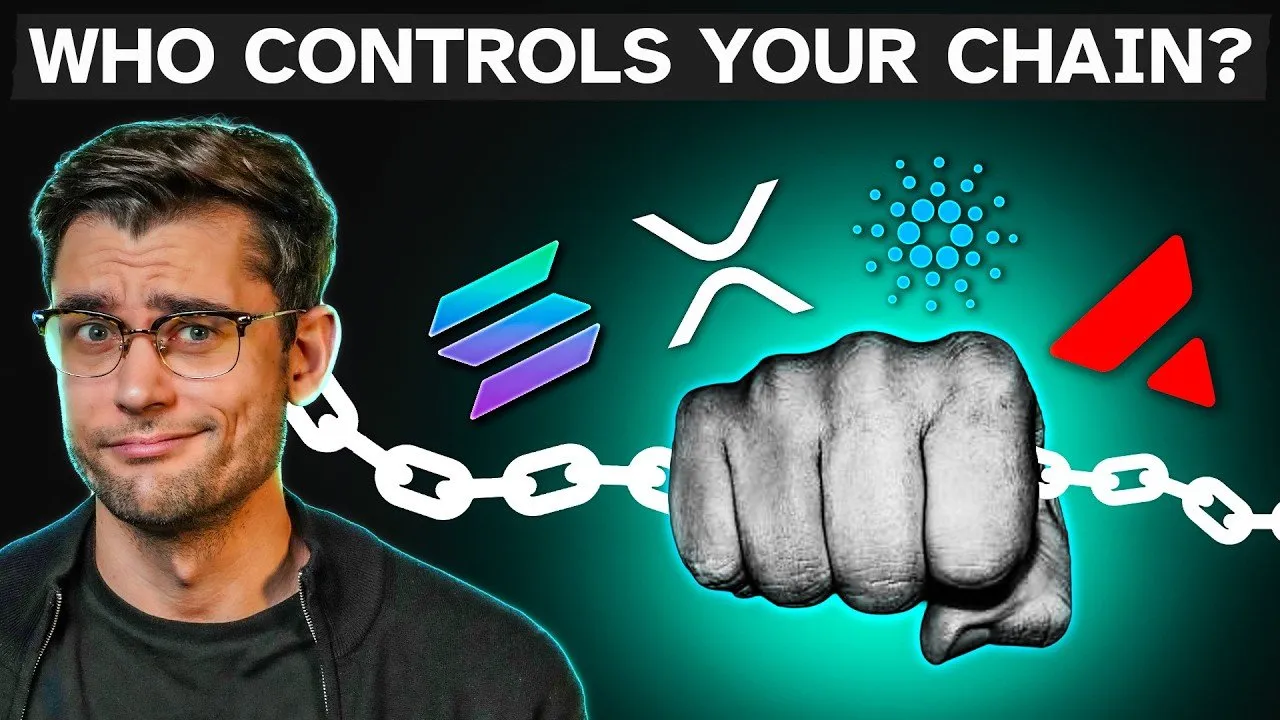
The regulatory environment for digital assets experienced a sea change following the September 2025 approval of generic listing standards, which removed the need for token-by-token rule changes. This momentum culminated on March 17, 2026, when federal regulators formally designated assets such as Solana, XRP, Cardano, and Polkadot as commodities. The market responded instantly, with the pipeline of pending ETF applications swelling to 126 filings within days.
For retail investors, the influx of institutional capital is viewed as a definitive bull signal. BlackRock, which already manages over $55 billion in Bitcoin-related products, has turned its attention to decentralized finance (DeFi) protocols like Uniswap and Hyperliquid. Historical data suggests that even modest institutional accumulation—such as Canary Capital’s HBAR ETF absorbing 1.3% of circulating supply—can exert significant upward pressure on token prices.
The Governance and Custody Trap
While price action captures headlines, the structural design of these ETFs presents a "centralization trap." In proof-of-stake networks, governance tokens grant holders the power to vote on protocol upgrades, treasury management, and fee structures. However, when investors purchase ETF shares, they do not own the underlying tokens; those assets are held by centralized custodians like Coinbase Prime or Anchorage Digital.
"The ETF issuers do not pass the governance voting rights through to the individual retail shareholders who provide the capital. This means that millions of retail investors are effectively surrendering their decentralized voting rights and funneling them directly into a giant Wall Street ballot box."
The concentration risk is not merely theoretical. Projections indicate that if current Ethereum holdings across major ETFs were fully staked, a single custodial umbrella could command nearly 18% of the total Ethereum staking market. This scale mirrors previous concerns regarding Lido’s dominance, yet these corporate funds operate without the same community-driven checks and balances.
Implications for Decentralization
The long-term danger lies in a potential legal "morphing" of these assets. The current legal defense for many cryptocurrencies relies on the doctrine of "sufficient decentralization," which asserts that no single entity exerts control over the network. Should institutional custodians gain enough influence to dictate validator selection and protocol changes, they risk creating the exact centralized structure the Howey Test was designed to regulate.
If federal regulators perceive these networks as being managed by a centralized corporate entity—rather than a community—they may retroactively classify these tokens as securities. This would force projects into a framework of compliance that could stifle the very permissionless innovation that defined their inception. As the industry moves forward, the tension between short-term liquidity gains and long-term protocol autonomy will likely remain the defining debate for the next cycle of institutional adoption.