Table of Contents
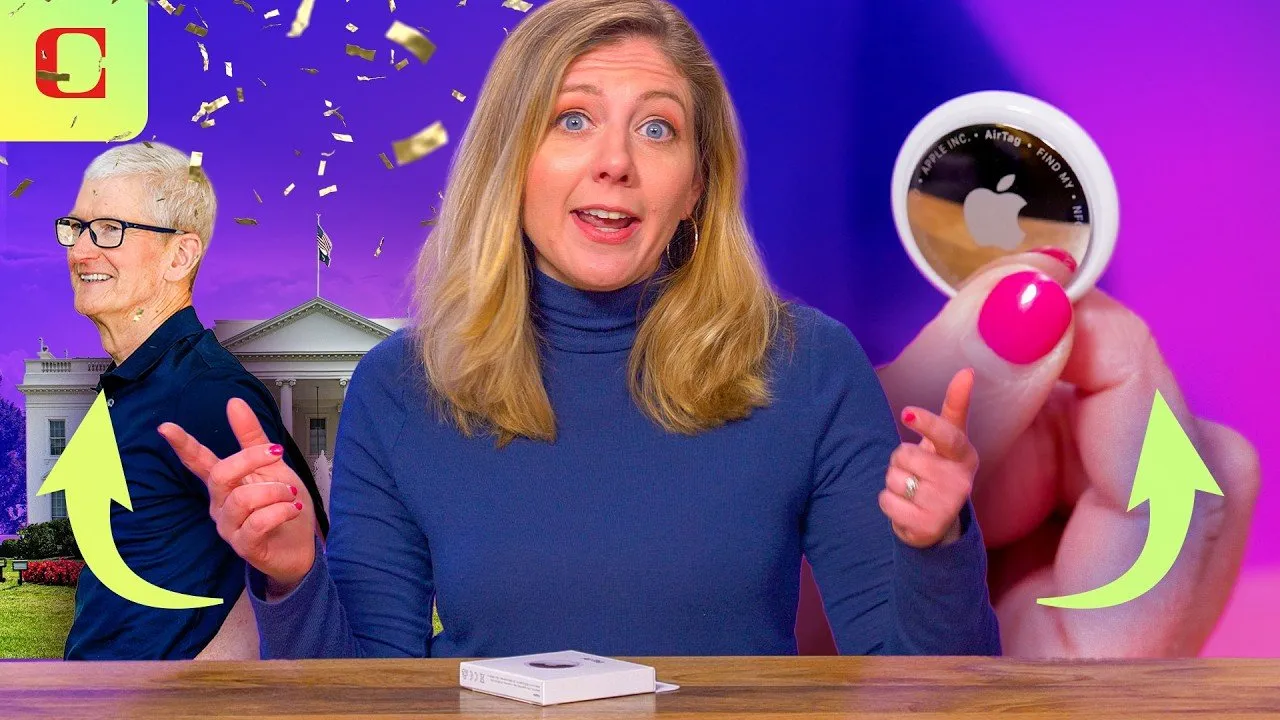
Apple closed a tumultuous week by launching the second-generation AirTag and a new creative software subscription, even as CEO Tim Cook faces growing public scrutiny over his recent White House appearance. While the tech giant pushes forward with its 50th-anniversary product roadmap, it faces a delicate balancing act between hardware innovation and brand reputation management.
Key Points
- Hardware Update: The new AirTag 2 retails for $29, featuring a second-generation Ultra Wideband chip that triples the precision finding range to over 100 feet.
- Leadership Controversy: CEO Tim Cook faces calls for a boycott following his attendance at a White House event shortly after a high-profile shooting involving US Border Patrol.
- Services Expansion: Apple launched "Apple Creator Studio," a $12.99/month bundle challenging Adobe’s dominance in the creative software market.
- Ecosystem Integration: The new trackers integrate seamlessly with Apple Watch Series 9 and Ultra 2, utilizing haptic and audio feedback for improved location tracking.
AirTag 2: Incremental Upgrades Enhance Precision
Apple has officially released the second-generation AirTag, retaining the original’s $29 price point while significantly overhauling the internal technology. While the exterior design remains largely unchanged—save for a shift to all-caps text on the silver rear cover—the primary upgrades are housed within the new resin shell, which is now composed of 85% recycled plastic.
The device is powered by the second-generation Ultra Wideband (UWB) chip, the same silicon architecture found in the iPhone 15 lineup and the Apple Watch Series 9. This hardware update directly addresses consumer demands for better range. According to early testing, the performance gap between generations is substantial.
Real-World Performance Testing
CNET’s testing revealed a distinct advantage for the new model. While the first-generation AirTag’s precision tracking typically engaged at a distance of approximately 40 feet, the new model’s precision finding features kicked in at distances ranging from 107 to 120 feet. Furthermore, the onboard speaker is reported to be 50% louder, aiding users in locating items buried in cushions or bags.
"I think it's very intentional that Apple's not doing a ton of different AirTag form factors... It's not about the AirTag. It's this Find My network that's the star of the show. This is just your gateway."
— Patrick Holland, Managing Editor at CNET
Despite these internal improvements, the device maintains the same coin-shaped form factor. This ensures backward compatibility with existing accessories, but also means users must still purchase separate keychains or loops to attach the tracker to their belongings.
Public Backlash Targets Leadership Strategy
While the hardware division proceeds with business as usual, Apple’s executive leadership is navigating a significant public relations crisis. Social media platforms have seen a surge in posts discussing an "Apple boycott," triggered by CEO Tim Cook’s attendance at a movie screening hosted by Melania Trump at the White House.
The controversy stems from the timing of the event, which occurred mere hours after the widely publicized death of ICU nurse Alex Prey, who was killed by U.S. Border Patrol agents in Minnesota. Critics expressed anger that Cook, who has historically been vocal on social justice issues, chose to attend a VIP event rather than use his platform to condemn the violence.
Cook addressed the situation in an internal memo to staff, calling for "de-escalation" and noting that he had shared his views during a conversation with the President. However, industry observers note a shift in Cook's public persona. Compared to his passionate public opposition to the FBI in 2016 regarding privacy, the 2017 immigration ban, and racial injustice in 2020, his current approach appears more reserved. This strategic pivot may be an attempt to maintain business stability during a volatile election year, though it risks alienating a segment of Apple’s consumer base.
Challenging Adobe with 'Creator Studio'
Amidst the hardware news and political noise, Apple quietly made a significant move in the software services sector by launching the Apple Creator Studio. This new subscription tier bundles Apple’s professional-grade creative tools—including Final Cut Pro and Logic Pro—with productivity apps like Pages, Numbers, and Keynote.
Priced at $13 per month or $129 annually, the service represents a direct challenge to Adobe’s Creative Cloud suite. Apple is also offering aggressive pricing for the education sector, with students and educators able to access the suite for just $30 a year.
While consumers can still purchase software like Final Cut Pro for a one-time fee of $300, Apple is incentivizing the subscription model by offering subscribers early access to new features. This move signals Apple's continued focus on growing its Services revenue, which has become a critical pillar of its financial reports.
As Apple celebrates its 50th anniversary year, the company shows no signs of slowing its product cadence. With the AirTag 2 now on shelves and new software models in place, industry analysts are now turning their attention to rumored upgrades in Mac silicon expected later this year.