Table of Contents
Despite widespread speculation regarding artificial intelligence’s impact on the workforce, current macroeconomic data shows no definitive evidence that AI is driving broad-based job displacement. While public discourse is dominated by high-profile corporate announcements and technological capability, labor experts emphasize that economic shifts, demographic changes, and cyclical pressures remain the primary drivers of recent employment fluctuations.
Key Points
- No immediate signal: Comprehensive labor market datasets have yet to reflect meaningful AI-driven job losses at a macroeconomic level.
- Sector analysis: Recent job losses are concentrated in goods-producing sectors—such as manufacturing and construction—rather than the service-oriented roles most susceptible to AI automation.
- The "Vibes" vs. Data Gap: There is a significant disconnect between public narrative and statistical reality, fueled by corporate messaging and AI-washing in executive statements.
- Reliability of Anecdotes: Relying on individual CEO announcements can be misleading due to selection bias and the inherent incentives for firms to frame operational changes through the lens of AI efficiency.
Separating Economic Reality from Market Sentiment
The push to identify AI’s footprint in the labor market is currently outpacing the actual deployment of the technology. According to labor analysts, the process of integrating AI into the economy is hindered by complex variables, including IT policy hurdles, liability concerns, and the time required for firms to fundamentally restructure operations.
Recent employment reports have highlighted job losses in specific sectors, but the distribution of these cuts does not align with the narrative of AI-led disruption. For instance, while goods-producing sectors accounted for roughly 50% of recent job losses, they represent only 16% of total employment. Analysts point to cyclical weakening and tariff impacts as more likely explanations for these trends than the emergence of autonomous workforce tools.
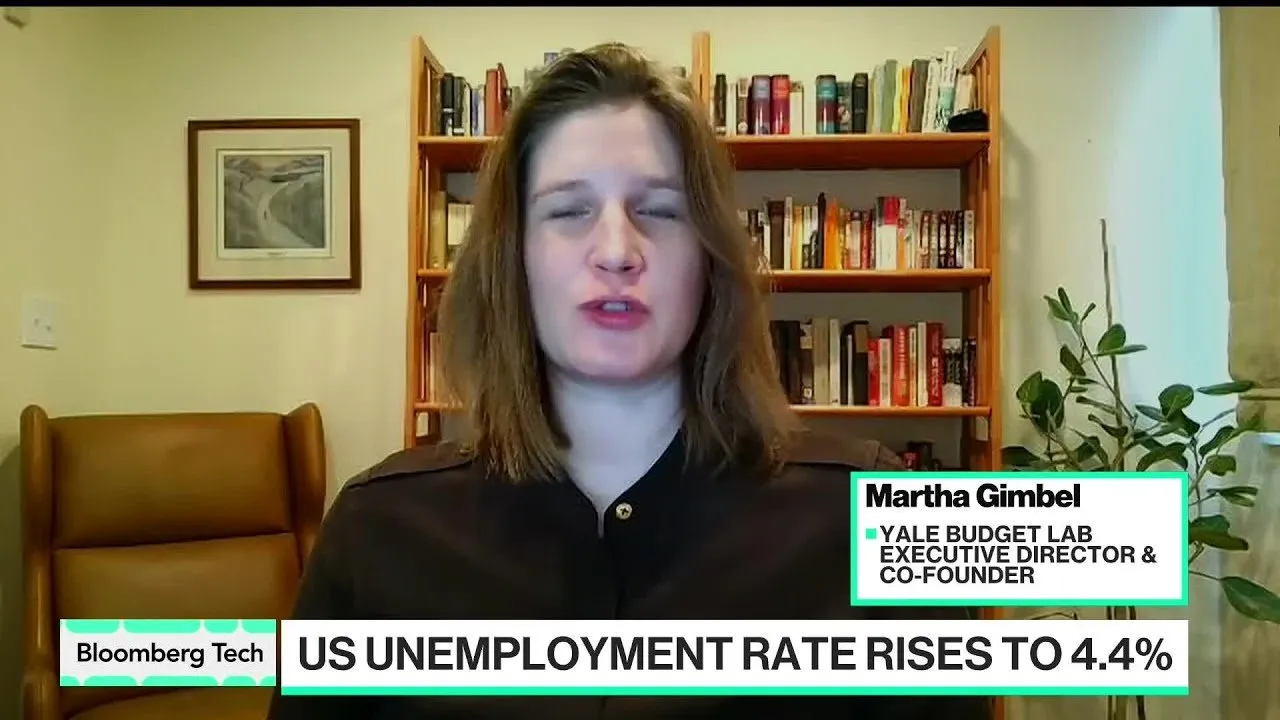
"It’s really important to separate out the vibes on AI in the labor market from what’s happening in the data. There is broad agreement among economists that it’s not in the data yet," notes market analyst Martha Gimbel of the Budget Lab.
Evaluating Executive Narratives
A significant source of confusion stems from how corporate leadership communicates workforce changes. High-profile executives frequently cite AI as a justification for downsizing or suspending backfills, a practice that often generates substantial media coverage regardless of whether AI is the primary catalyst for the decision.
Experts caution that tracking CEO statements is an unreliable metric for economic forecasting. Beyond the selection bias—whereby only large, vocal companies receive media attention for their layoff strategies—executives are incentivized to signal technological agility to shareholders. This corporate signaling often obscures whether a firm would have made similar staffing changes in the absence of new AI tools.
Future Outlook and Monitoring Progress
Moving forward, the focus for economists remains on the occupational distribution of jobs. Rather than relying on headline-grabbing layoffs, researchers are tracking how the composition of the economy shifts over the long term. If AI begins to displace labor, it will likely show up first as a targeted decline in specific, AI-compatible roles, rather than a broad, uniform trend.
For investors and policymakers, the consensus is to prioritize verified, longitudinal data over anecdotal reports of AI implementation. As organizations continue to pilot new systems, observers should expect a lag between the adoption of generative AI and the manifestation of productivity gains or labor displacement in official government reporting.