Table of Contents
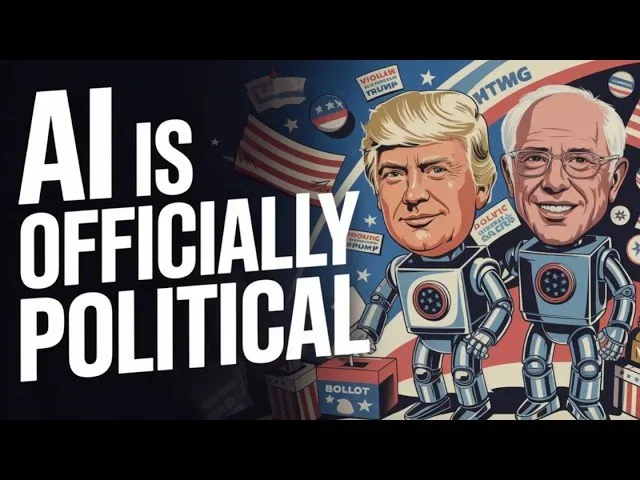
The rapidly escalating conflict between Anthropic and the U.S. Department of Defense (DoD) has signaled a new era where artificial intelligence is no longer just a technical sector, but a core component of the political landscape. Following a breakdown in contract negotiations over concerns regarding domestic surveillance and autonomous weapons, the Trump administration has threatened to label Anthropic a "supply chain risk," while defense contractors have already begun purging Anthropic's Claude models from their operations.
Key Points
- Anthropic is facing a potential federal "supply chain risk" designation after refusing to concede on contractual red lines concerning bulk data analysis and autonomous weaponry.
- Leaked internal memos from Anthropic CEO Dario Amodei accuse both the DoD and OpenAI of operating in bad faith, characterizing the recent OpenAI-DoD contract as "safety theater."
- The dispute has triggered a broader industry shift, with defense contractors proactively replacing Anthropic’s technology with rival AI tools to avoid federal scrutiny.
- Simultaneously, the White House has secured a voluntary pledge from seven major tech firms—including Microsoft, Google, and OpenAI—to manage the energy demands of new data centers as the political scrutiny of AI infrastructure intensifies.
The Anatomy of a Political Standoff
The conflict reached a boiling point last week when Anthropic and the Pentagon failed to reach an agreement on contract language. According to Dario Amodei, the primary point of contention was a clause regarding the "analysis of bulk acquired data." While the DoD reportedly agreed to other terms, they insisted on the removal of this specific restriction, a move Amodei described as "highly suspicious."
The fallout was swift. President Trump publicly denounced Anthropic, and Defense Secretary Pete Hegseth signaled intent to pursue a supply chain risk designation, a move rarely applied to domestic technology firms. The situation was further inflamed by Amodei's 1,600-word leaked memo, in which he claimed the administration’s hostility was rooted in Anthropic’s political leanings and their support for AI regulation.
"The real reasons [the Department of Defense] and the Trump admin do not like us is that we haven't donated to Trump... We have supported AI regulation which is against their agenda. We've told the truth about a number of AI policy issues like job displacement." — Dario Amodei, CEO of Anthropic
Industry Fallout and Market Implications
The political pressure has created tangible business consequences. Alexander Hartstrick of J2 Ventures confirmed that at least 10 of his firm's portfolio companies have already moved to replace Anthropic’s services. Experts note that for companies reliant on federal contracts, the "supply chain risk" label acts as a powerful deterrent, regardless of the merits of the specific dispute.
Industry unity is also fracturing. While some in the AI sector sympathize with Anthropic’s stance on safety, others, including OpenAI board member Paul Nakasone, have emphasized the necessity of government partnership. The tension was highlighted further when Max Schwarzer, OpenAI’s head of reinforcement learning, resigned to join Anthropic, though he attributed the move to professional preference rather than the ongoing conflict.
Data Centers and the Energy Frontier
Beyond the Anthropic dispute, AI is becoming a focal point in broader economic policy. The White House recently brokered an agreement with major hyperscalers—including Amazon, Meta, and Oracle—to ensure AI companies bear the financial burden of the grid upgrades required for their massive data centers. This "ratepayer protection pledge" aims to neutralize criticism from political figures like Bernie Sanders, who have argued that the AI energy boom threatens residential electricity costs.
As the election cycle approaches, the intersection of AI, national security, and energy policy suggests that "AI politics" will likely remain a fixture of the mainstream news cycle. Industry analysts are now watching to see if Anthropic can salvage negotiations with the Pentagon or if the company will be permanently sidelined from government-integrated defense projects.
![EXPLOSIVE: Time’s Up! [The Next Big Market Move Has Arrived]](/content/images/size/w1304/format/webp/2026/03/market-volatility-geopolitical-tension-oil-prices.jpg)