Table of Contents
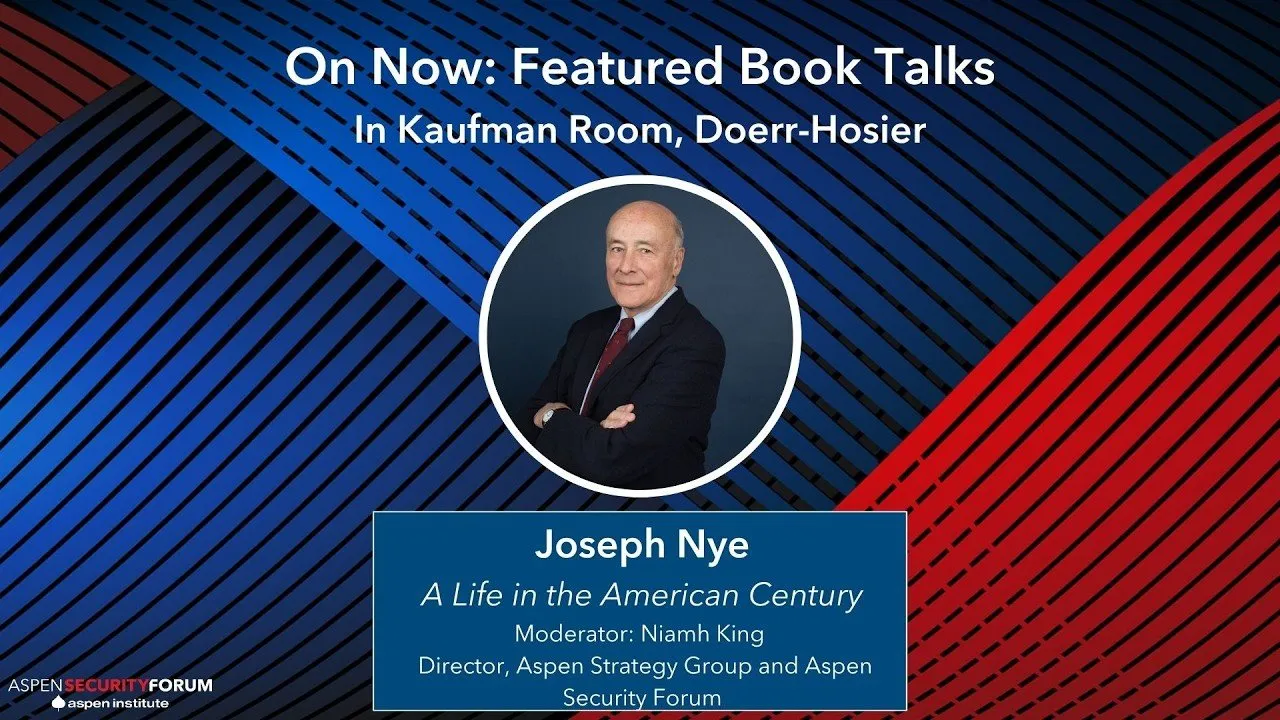
Joseph Nye, often celebrated as the godfather of soft power, has spent decades at the nexus of American foreign policy and academic inquiry. In his latest memoir, A Life in the American Century, he reflects on a career that spans the highest levels of the Carter administration, the Harvard faculty, and the founding of the Aspen Strategy Group. Through his journey from a rural New Jersey upbringing to the corridors of international power, Nye offers more than just a historical account—he provides a blueprint for navigating the complexities of our modern, polarized world.
Key Takeaways
- The Power of Curiosity: Nye emphasizes that following one's genuine intellectual curiosity is the surest way to build a meaningful, non-linear career.
- The "Owl" Approach: Moving beyond the binary of hawks and doves, Nye advocates for a middle-ground strategy centered on risk reduction and pragmatic policy.
- The Value of Listening: True leadership in a bipartisan context requires the ability to engage in civil discourse and prioritize listening over broadcasting.
- Contextual Intelligence: Effective leadership is not a fixed trait; it requires the ability to adapt one’s behavior to the specific demands of a changing environment.
From Rural Roots to Global Insight
Nye’s perspective on the world is deeply rooted in his childhood in rural New Jersey. Growing up in a town of 500 people, he learned early on that political divisions are not a modern invention. Recalling the intense polarization during the mid-1940s, he notes that despite the deep-seated ideological divides of the past, the country found ways to endure. This early exposure to rural values instilled in him a unique sympathy for diverse viewpoints, a trait that has served him well in both academia and the National Security Council.
His academic trajectory, however, was far from static. After early work on the challenges of economic integration in East Africa, he pivoted to studying Central American common markets and eventually the European model. His advice to students and young professionals remains consistent: "Follow your curiosity and you'll never be bored." This intellectual agility became the hallmark of his professional life, allowing him to transition seamlessly between regional policy studies and grand strategy.
Beyond Hawks and Doves: The Strategy of the Owl
During the heighten tension of the 1980s, the national discourse on nuclear policy was largely split between those advocating for aggressive military buildup and those pushing for immediate, total disarmament. Nye, working alongside colleagues like Graham Allison, recognized that both extremes lacked the nuance necessary to navigate the existential risks of the era. This led to the philosophy of the "owl"—a middle-ground approach prioritizing procedural risk reduction, such as enhanced command-and-control measures.
"We called this book hawks, doves, and owls to get people away from this complete polarization... to say wait, there are some things that can be done that can lower risks."
This strategy of the owl was foundational to the formation of the Aspen Strategy Group. By intentionally mixing academics and government practitioners from both sides of the aisle, Nye helped create a forum where individuals could build personal relationships. These connections, often forged during leisure activities like fly fishing or hiking, fostered a level of mutual respect that made difficult bipartisan conversations possible, even when policy disagreements remained.
Leadership in an Era of Great Power Competition
When asked about the essential qualities of a great leader, Nye points to the necessity of contextual intelligence. He argues that the skills required to lead in a university setting may differ drastically from those needed in the Department of Defense. Furthermore, a leader must recognize when their own successful strategies from a previous era have become obsolete.
He identifies former German Chancellor Angela Merkel as a prime example of such leadership. Her ability to navigate complex political shifts—from her origins in East Germany to her handling of the 2015 refugee crisis—exemplifies the blend of emotional and contextual intelligence he values. For Nye, leadership is not about rigid adherence to an ideology, but the capacity to adapt while maintaining a firm ethical compass.
Collaborating Across Borders
In the context of US-China relations, Nye remains a guarded optimist. While acknowledging the reality of great power competition, he urges policymakers to identify areas of overlapping interest. Whether in addressing climate change, managing global health risks, or providing essential infrastructure to the developing world, competition need not preclude collaboration. He cautions that characterizing every development initiative as a zero-sum game often obscures opportunities for genuine progress.
Conclusion
Joseph Nye’s career serves as a testament to the idea that intellectual depth and empathy are not mutually exclusive. Throughout A Life in the American Century, he underscores that whether one is navigating the high-stakes world of national security or addressing the challenges of a local community, the core principles remain the same: listen more than you broadcast, maintain a sense of perspective, and remain open to shifting your position when the context demands it. In a time of profound division, Nye’s call for an "owlish" commitment to rational, risk-averse, and collaborative governance is a welcome, necessary guide for the next generation of leaders.
![Warning TRUMP: This Is Very Dangerous [It’s Starting]](/content/images/size/w1304/format/webp/2026/04/trump-middle-east-market-volatility-oil-prices.jpg)