Table of Contents
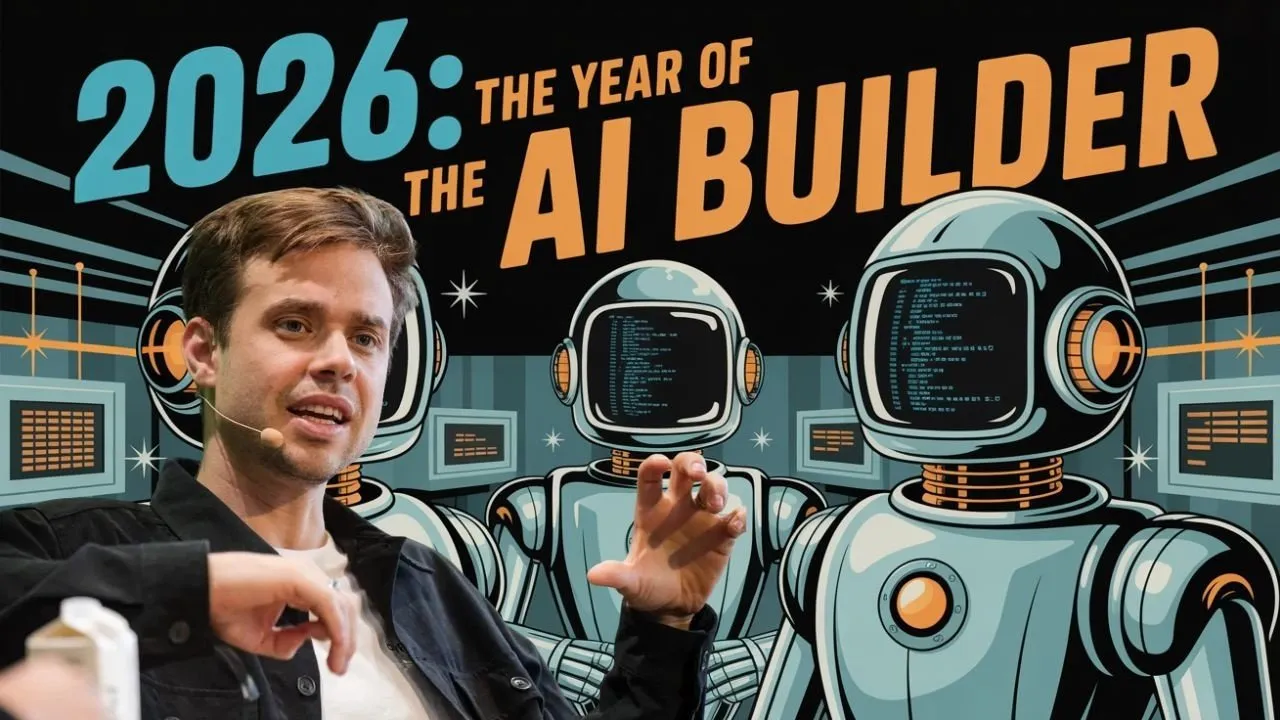
Anton Osika, CEO of AI development platform Lovable, predicts that 2026 will mark a pivotal shift in artificial intelligence development, positioning everyday users as the primary builders of AI applications rather than traditional software engineers. The forecast suggests a fundamental democratization of AI development tools will reach mainstream adoption within the next two years.
Key Points
- Lovable's CEO identifies 2026 as the breakthrough year for widespread AI application building by non-technical users
- The prediction signals a shift from developer-centric AI tools to consumer-accessible platforms
- This timeline aligns with broader industry trends toward no-code and low-code development solutions
- The forecast has implications for traditional software development roles and enterprise technology strategies
The Democratization Timeline
Osika's projection reflects growing momentum in the no-code AI space, where platforms increasingly enable users without programming backgrounds to create sophisticated applications. Lovable, which focuses on AI-powered development tools, positions itself at the forefront of this transformation.
The 2026 timeline suggests that current technical barriers preventing mainstream users from building AI applications will be substantially reduced within 24 months. This includes improvements in natural language processing interfaces, automated code generation, and simplified deployment processes.
Market Implications
The prediction carries significant implications for the $432 billion global software development market. If mainstream users can effectively build AI applications without traditional coding skills, it could reshape demand for software engineering talent while creating new categories of citizen developers.
Enterprise organizations may need to reassess their technology strategies and workforce planning. Companies that have invested heavily in traditional development teams could find competitive advantages in empowering broader employee bases to create AI-powered solutions.
Industry Context
Osika's forecast aligns with recent developments across major technology companies. Microsoft, Google, and Amazon have all launched or expanded no-code AI platforms in recent months, suggesting industry-wide recognition of this trend.
The emergence of large language models with improved code generation capabilities supports the technical feasibility of Osika's timeline. Recent advances in AI assistants that can write, debug, and deploy code based on natural language instructions provide the foundation for more accessible development tools.
Whether 2026 proves to be the definitive breakthrough year, the trajectory toward democratized AI development appears well-established, with significant implications for how organizations approach technology innovation and workforce development in the coming years.