
Table of Contents
The cryptocurrency market has experienced a significant decoupling from traditional equities and commodities over the last six months, leaving investors to navigate a period of intense volatility and stagnant price action. While major stock indices and precious metals have reached record highs, digital assets have been hampered by a series of structural liquidations, extractive market behaviors, and a shifting regulatory landscape. Industry analysts point to a combination of internal market failures and external competitive pressures as the primary catalysts for this recent underperformance.
Key Points
- The 10-10 liquidation event stands as the largest in crypto history, wiping out $19 billion in leveraged positions and reducing order book depth by 98%.
- Institutional entities and exchange-traded funds (ETFs) now control approximately 12% of the total Bitcoin supply, signaling a definitive shift away from the asset's "cypherpunk" origins.
- The rise of extractive "memecoin" cycles and celebrity-backed tokens has resulted in massive value destruction, with retail investors losing an estimated $2 billion to sophisticated trading cartels.
- Emerging technologies, specifically Artificial Intelligence (AI) and robotics, are increasingly competing with cryptocurrency for venture capital and speculative interest.
Structural Fragility and the Liquidity Gap
The current downturn is rooted in a massive deleveraging event known as "10-10," which fundamentally altered the market's internal mechanics. This event saw 1.6 million traders affected, causing liquidity to vanish as market makers retreated to recoup losses. The resulting damage to the order books was catastrophic, with spreads widening by over 1,300x in some instances. This structural impairment has made any subsequent price recovery fragile, as the "hot ball of money" that typically drives crypto cycles has significantly diminished.
Compounding this issue is the failure of the "Digital Asset Treasury" trend. In late 2024, numerous public companies transitioned to holding Bitcoin and Ethereum on their balance sheets, initially driving prices higher. However, many of these entities have since pivoted from trading at a premium to trading at a significant discount to their Net Asset Value (NAV). According to industry observer Ommid Malikan, these companies became a mechanism for mass extraction rather than sustainable value creation.
"In aggregate, [digital asset treasury companies] turned out to be a mass extraction and exit event... dozens upon dozens were launched in a fashion likely to cause value destruction for crypto assets."
Market Saturation and the AI Competition
The "innovation" of the current cycle has been largely dominated by memecoins, which many critics argue lack the technological utility required for long-term growth. Reports from Solidus Labs indicate that a staggering 98.6% of tokens launched on platforms like Pump.fun were worthless "pump and dump" schemes. This saturation of the market—now boasting over 10,000 active coins—has fragmented liquidity to a point where only a handful of assets can sustain upward momentum.
Furthermore, cryptocurrency is no longer the sole destination for high-risk, high-reward capital. The rapid advancement of Nvidia, Tesla’s robotics divisions, and space exploration ventures has drawn significant investment away from digital assets. As Nvidia alone reached a valuation nearly double the entire cryptocurrency market cap, investors have found more tangible value in the AI sector, which has historically tracked closely with crypto but recently broke away to the upside.
Institutional Governance and Macro Shifts
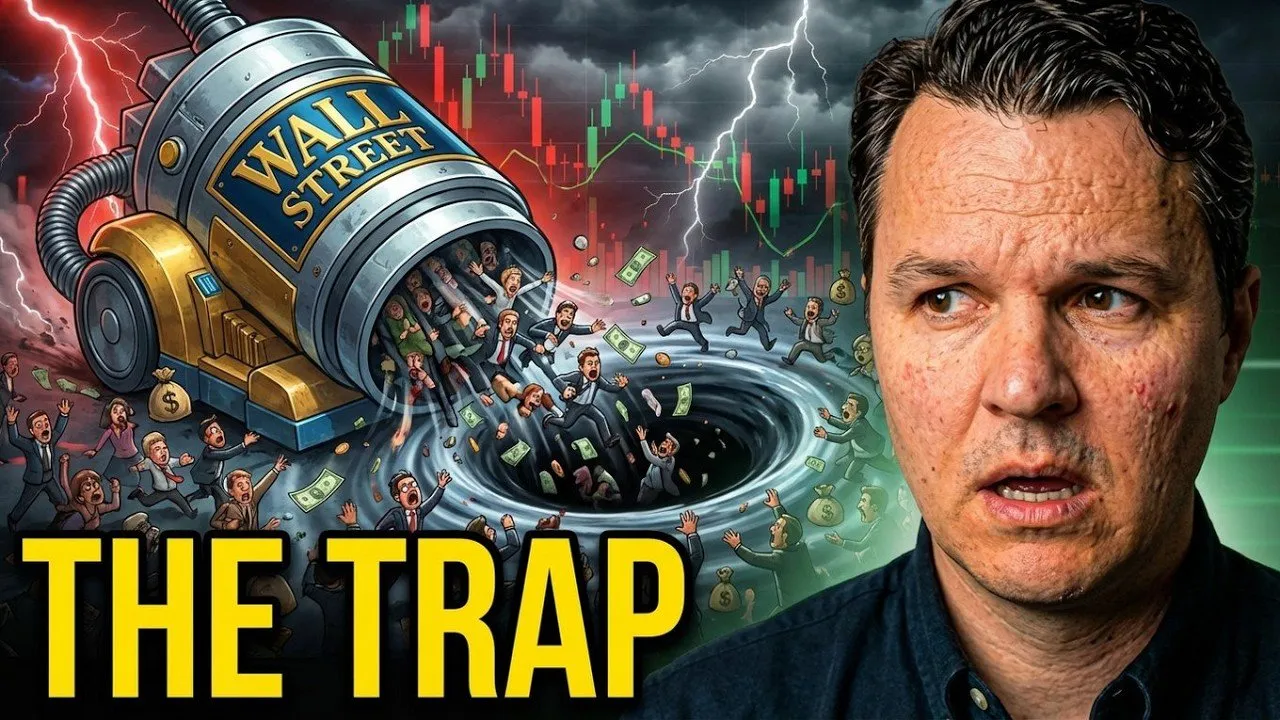
The entry of Wall Street via Bitcoin ETFs has fundamentally changed the ownership profile of the market. Data from River suggests that while "OG" individual holders sold roughly 700,000 BTC in the last year, governments, funds, and businesses were the primary buyers. This institutionalization brings stability but also shifts the narrative toward BlackRock’s vision rather than Satoshi Nakamoto’s original decentralized intent. David Puel of ARK Invest notes that corporations and ETFs now exert significant influence over market direction.
"Wall Street's coming to the game. They are not here for Satoshi's vision... They're here to line their pockets with money."
Macroeconomic factors also loom large, with the potential appointment of Kevin Warsh as the new Federal Reserve Chair. While viewed by some as a hawk, the transition could lead to a policy of lowering interest rates to stimulate the economy without traditional quantitative easing. Additionally, the Internal Revenue Service (IRS) is increasing its oversight with the new 1099-DA form, ensuring that every crypto-to-crypto trade is tracked and taxed, further cooling the "wild west" sentiment that previously fueled retail frenzies.
Looking forward, the market remains in a period of "healing" from the structural wounds of the previous six months. While sentiment is currently at a nadir, historical cycles suggest that peak pessimism often precedes a return to fundamental growth. Investors are now watching for the implementation of the Genius Act and the Clarity Act to provide the regulatory certainty needed for the next phase of institutional participation.




)